⚡ A Historic Milestone for Our Community ⚡
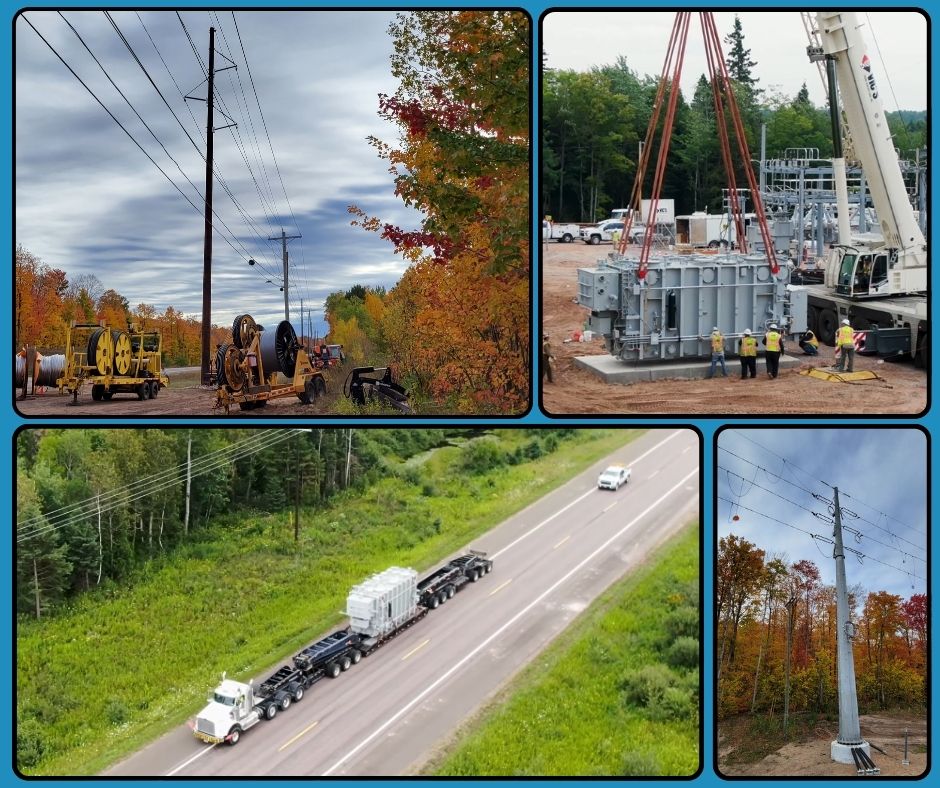
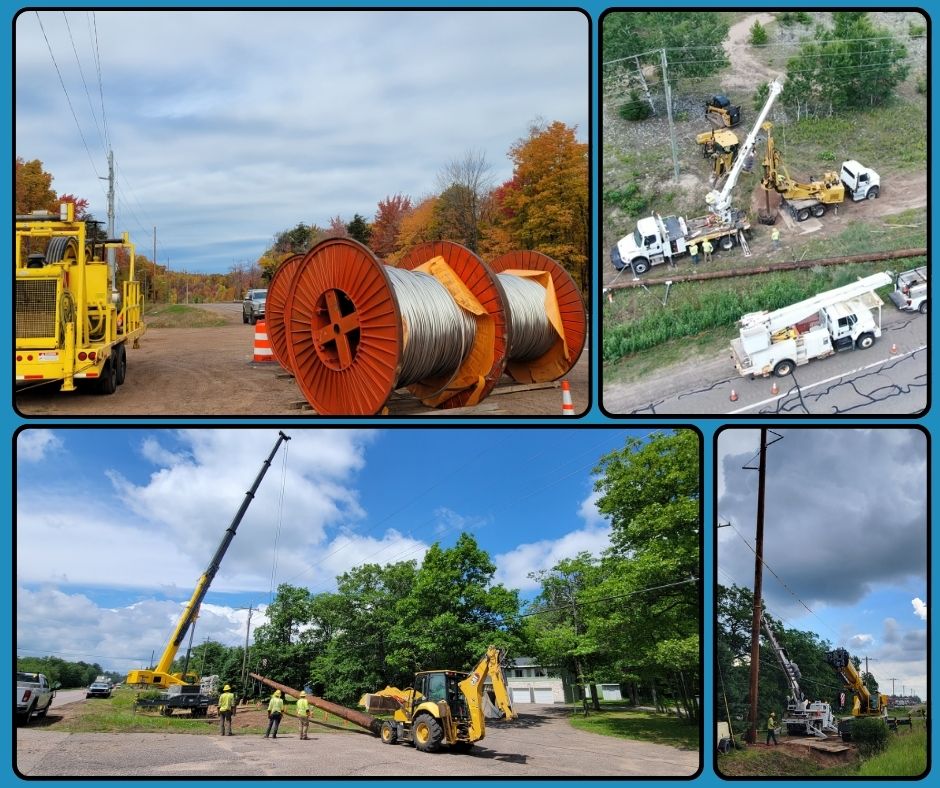
What was first proposed more than 40 years ago has now become reality. After multiple years of focused planning, organizing, construction, commissioning, and testing, the MBLP has officially completed a Second Interconnection to the Regional Electrical Transmission System – strengthening the resilience and reliability of our local electrical system for decades to come.
The new second interconnection provides our community with an additional, fully independent connection to the regional power network. This added redundancy significantly reduces the risk of system wide outages in our service area, increases operational flexibility, and mitigates risk associated with unexpected disruptions.
Previously, our system relied on a single primary interconnection point. While dependable, it offered limited redundancy. With this new connection in place, our electrical network is stronger, more stable, and better prepared to serve homes, businesses, schools, healthcare facilities, and other critical services, while also supporting future growth, economic development, and emergency preparedness.
A project of this size and scale requires coordination and cooperation with several different entities, groups, and individuals. We’re grateful for the organizations, crews, employees, and community members who played a role in making this project a reality. While we’ve highlighted several key partners below, we also want to recognize and thank those who contributed behind the scenes but may not be named here:
- Black & Veatch
- Hooper Corporation – Electric Power Division
- Steigerwaldt
- MJ Electric
- Marquette County Road Commission
- MDOT Ishpeming TSC
- Alger Delta REA
- Bugle Contracting
- TriMedia Environmental & Engineering Services
While the Second Interconnection line has officially been completed and placed in service, the MBLP will continue the consolidation of distribution lines onto the new transmission poles along the route. During this process, some of the smaller wooden distribution utility poles will be removed and the lines will be attached to the new transmission poles. This work is expected to begin this summer.